
Articles
How Online Real-Time Face Identification Enhances Digital Security

Key Takeaways
- Online facial identification creates a faster, contactless, and more secure form of verification for modern users.
- Biometric verification strengthens protection against digital fraud and identity theft across industries.
- Advanced facial technologies support seamless remote authentication and compliance for workplaces handling sensitive data.
Smart Facial Recognition Technology for Secure Digital Access
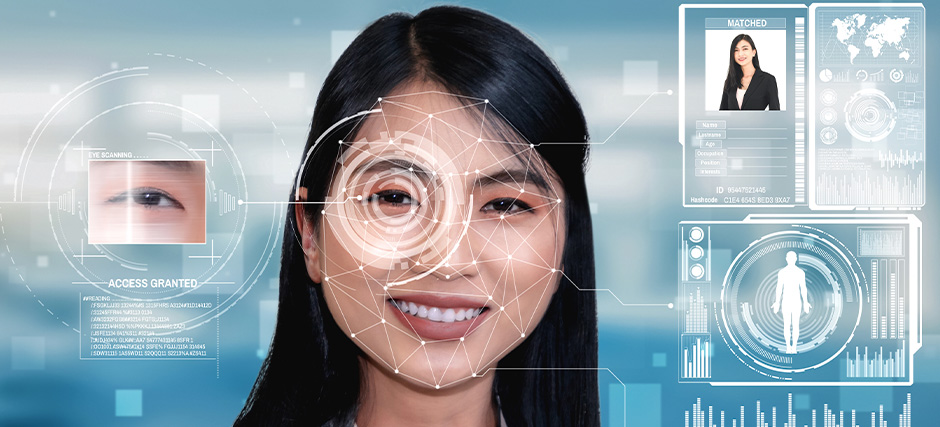
In today’s increasingly connected world, online identification has become a critical component of digital security. As more transactions, communications, and verification processes move online, the demand for accurate and contactless authentication continues to grow. Among these innovations, real-time face detection and advanced face detection technologies have emerged as powerful tools for strengthening digital and physical access control.
Beyond online verification, these capabilities are now integrated into solutions such as a face recognition door access system in Singapore, supporting secure building entry alongside digital authentication. When paired with a modern door access system in Singapore, organisations can create a seamless bridge between online identity verification and on-site access management. This convergence delivers faster, more reliable, and future-ready protection for businesses operating in increasingly digital environments.
The Rise of Facial Identification in the Digital Era

Facial identification technologies use advanced algorithms to analyse unique facial features from still images or live video streams. These systems compare the captured data with stored profiles to confirm an individual’s identity in seconds. This capability makes real-time face detection an invaluable component of modern security systems, used in sectors such as banking, e-commerce, education, and government services.
Unlike traditional password-based systems, facial recognition eliminates the need for users to remember complex credentials or carry physical tokens. This frictionless process enhances digital access while significantly reducing the likelihood of unauthorised entry. In an age where cyber threats are increasingly sophisticated, the ability to authenticate identity through facial data offers a higher degree of reliability and user assurance.
Seamless and Secure Digital Access
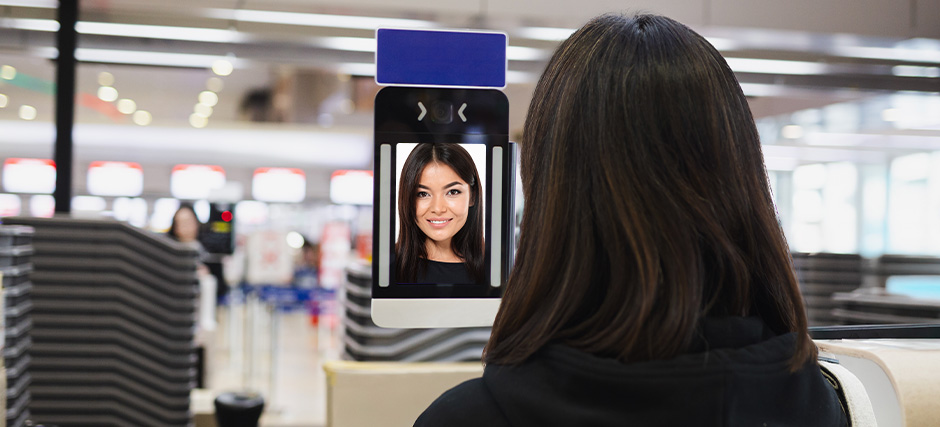
For users, the primary benefit of real-time face detection is convenience. Authentication occurs within seconds, allowing access to secure accounts, mobile applications, or facilities without manual intervention. This technology enables smooth digital experiences that are not only faster but also more hygienic, eliminating the need for touchpoints such as fingerprint scanners or ID cards.
In addition, the precision of facial algorithms ensures that only authorised individuals gain entry. For example, in corporate environments equipped with a face recognition door access system, employees can move through designated areas securely and efficiently. This creates a controlled yet fluid environment where security is maintained without slowing down daily operations.
A Stronger Defence Against Fraud
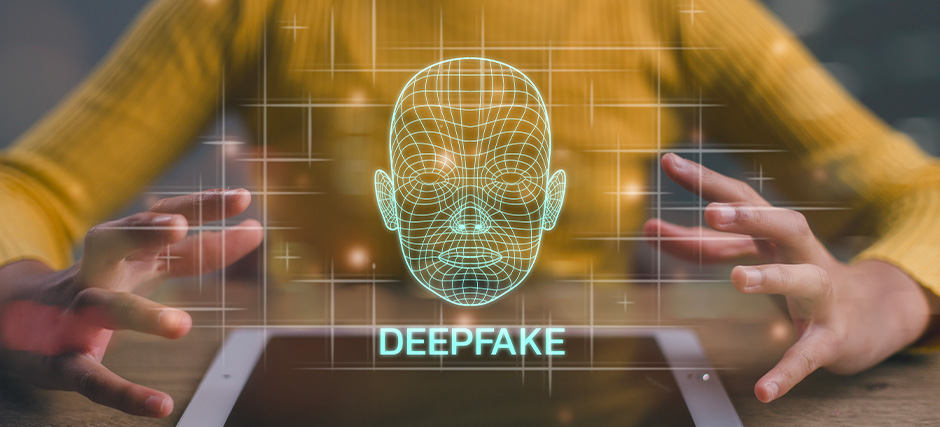
Facial biometrics offer a higher level of protection compared to traditional methods. Passwords and PINs can be forgotten, shared, or stolen, but facial data is inherently unique to each person. This makes real-time face detection a powerful defence against digital fraud and identity theft.
Financial institutions and e-commerce platforms are increasingly adopting this technology to safeguard user accounts and transactions. When combined with encryption and two-factor verification, facial authentication adds a biometric layer that is difficult to manipulate. As a result, it strengthens the trust between service providers and users in sensitive digital interactions.
Enabling Remote Authentication in Modern Workplaces

The shift towards hybrid and remote work arrangements has increased the need for secure remote authentication. Organisations must verify employee identities across multiple locations without compromising data integrity. Real-time facial recognition strengthens secure login processes for corporate networks and digital platforms, ensuring that only authorised users gain access to confidential resources, regardless of where they are working.
Beyond remote authentication, these capabilities also integrate seamlessly with physical access infrastructure. When connected to a face recognition door access system in Singapore, businesses can extend identity verification from digital environments to on-site entry points. Paired with a reliable door access system in Singapore, this unified approach enhances accountability, protects sensitive assets, and supports operational flexibility without sacrificing security.
Enhancing Surveillance and Compliance
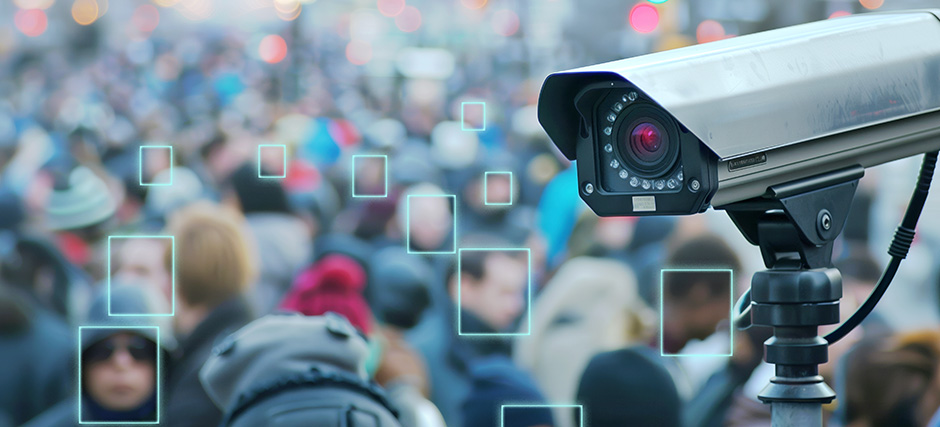
Beyond access control, CCTV surveillance integrated with facial identification provides an additional layer of security. When coupled with security systems, facial recognition can identify unauthorised individuals in restricted areas and alert administrators in real time. These capabilities make it ideal for government facilities, data centres, and financial institutions where security breaches can have serious consequences.
Moreover, facial authentication provides timestamped logs of access and activity. This ensures compliance with internal security protocols and external regulations. For businesses handling sensitive or regulated information, these audit trails are essential for accountability and transparency.
Privacy and Data Protection Considerations
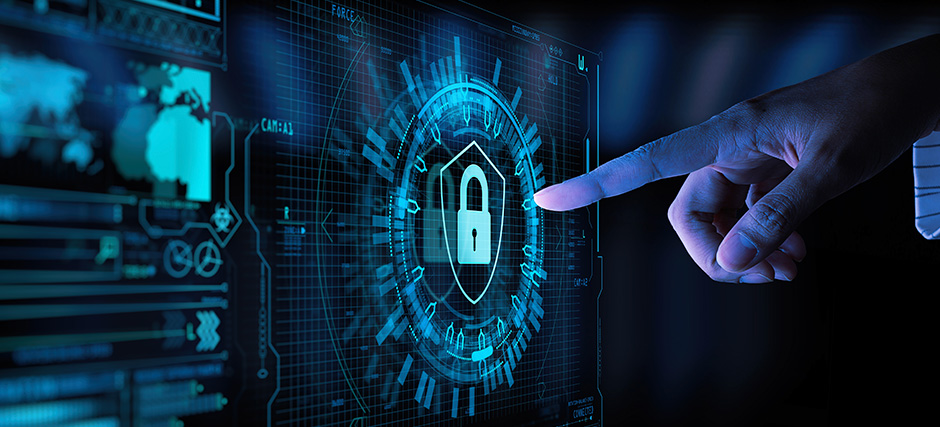
While real-time facial recognition delivers immense benefits, it also requires responsible data governance. Facial images are classified as biometric data, which must be collected, stored, and processed securely. Organisations should adhere to data protection laws such as Singapore’s Personal Data Protection Act (PDPA) by obtaining clear consent from users and outlining how their data will be used.
Encryption, anonymisation, and restricted database access are key measures to ensure privacy. Companies that adopt these practices not only meet compliance standards but also strengthen user confidence in their security systems.
Extending Face Identification to Attendance and Health Awareness
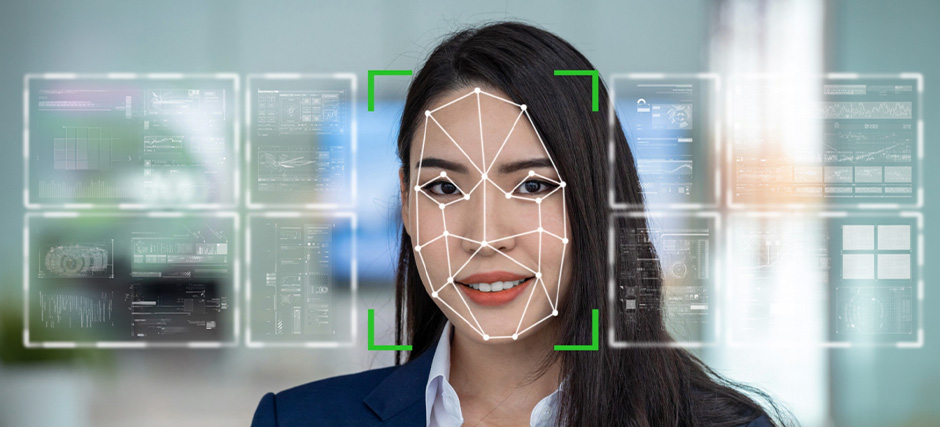
Beyond strengthening digital security, online real-time face identification is also evolving into a practical tool for workforce management. One example is the upcoming UBio-Core HealthID, a face recognition–based attendance system that combines identity verification with passive health screening. Using facial recognition and remote biometric signal analysis, the system enables employees to clock in seamlessly while simultaneously checking indicators such as body temperature, fatigue, and stress levels. This allows employers and HR teams to identify potential health risks early, without disrupting daily workflows or requiring physical contact, supporting safer and more resilient workplace operations.
Online facial identification is reshaping how the world approaches safety, efficiency, and convenience in digital interactions. By combining speed, accuracy, and biometric security, it bridges the gap between accessibility and protection. From frictionless digital access to reliable remote authentication, the integration of real-time face detection enhances trust in every transaction and connection.
At iDLink Systems, we specialise in advanced security and identification technologies, including face recognition door access systems, CCTV surveillance, and biometric security systems designed for both businesses and institutions. Our solutions are engineered to strengthen digital security while maintaining seamless user experiences.
Discover how iDLink Systems can elevate your organisation’s safety and efficiency. Shop now to explore our innovative range of facial and biometric security technologies.